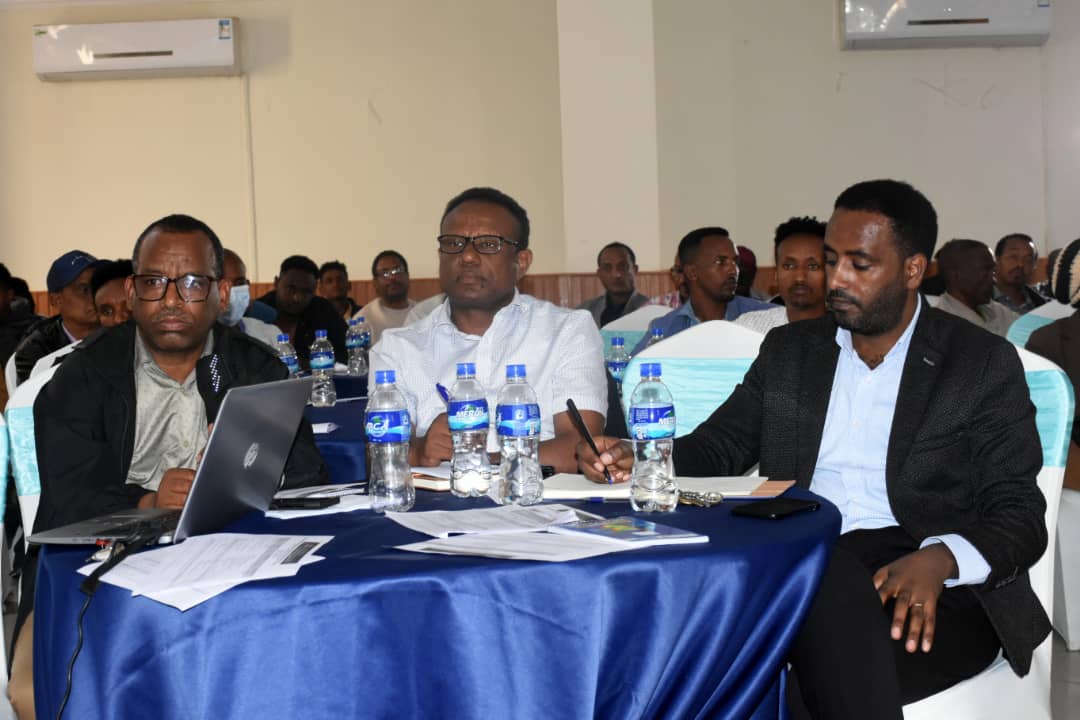
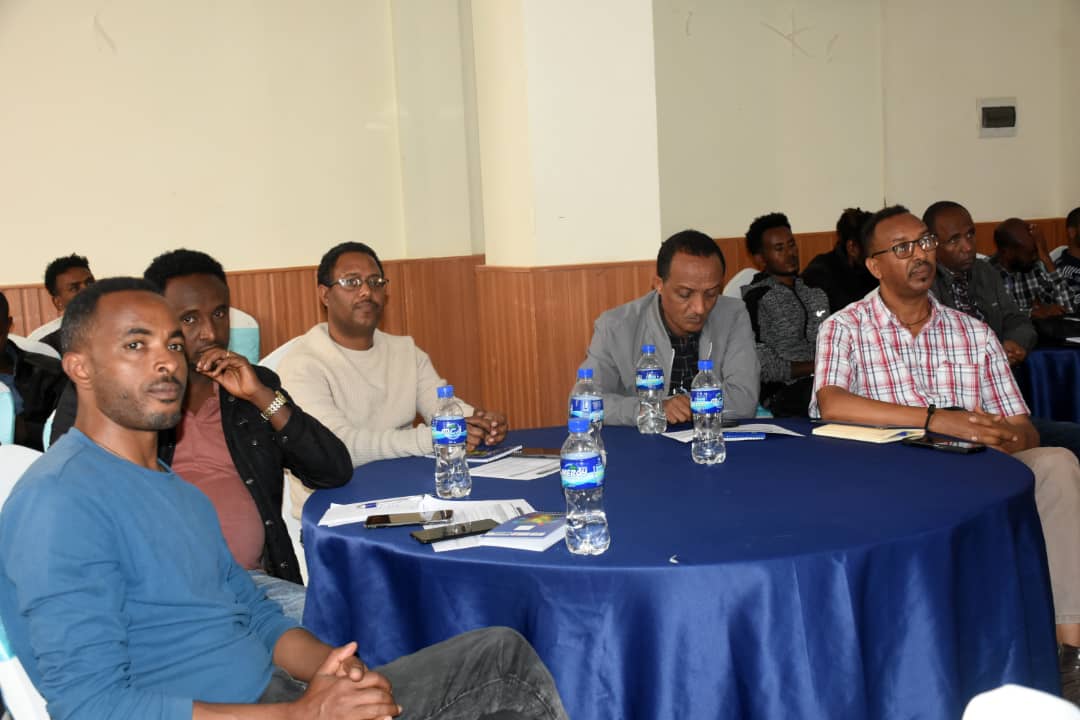
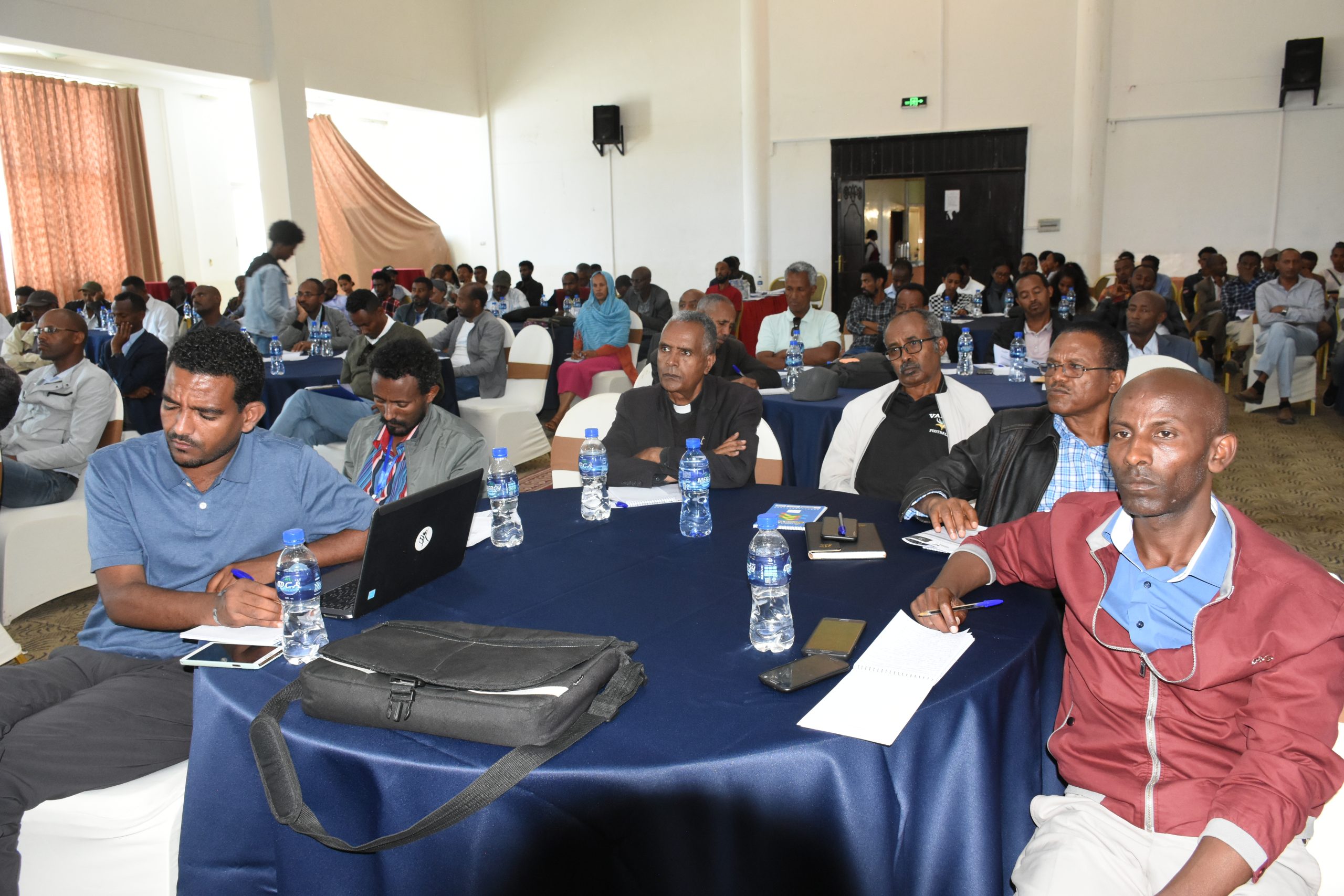
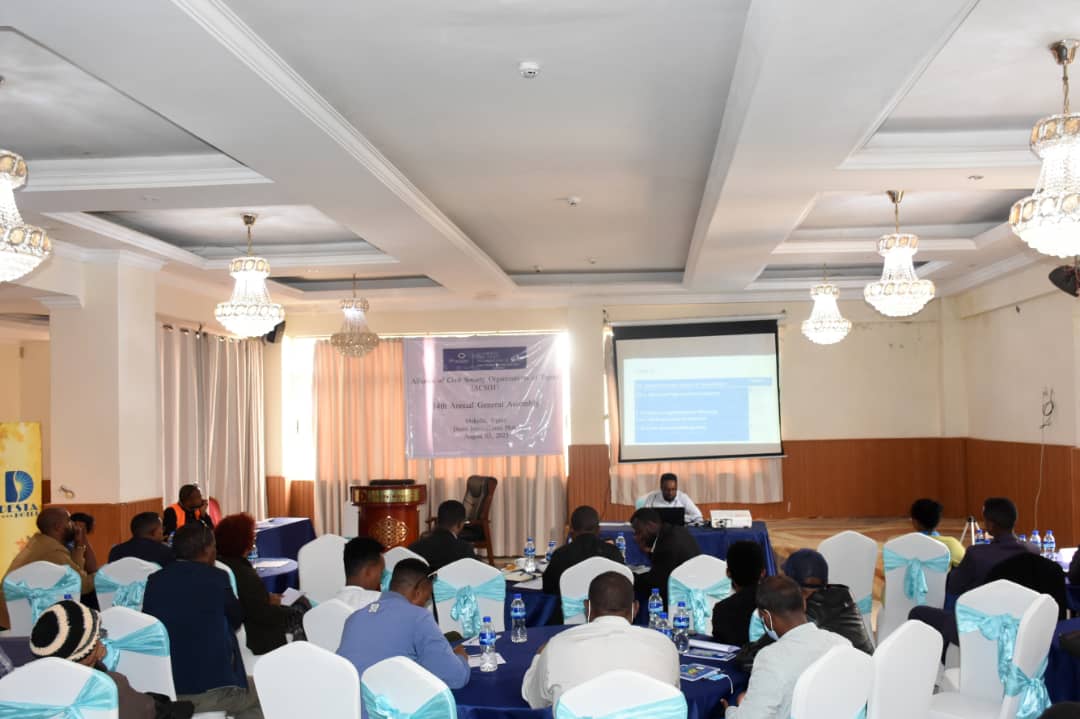
Civil society’s collective strength lies in its unity of purpose and ability to act collaboratively across organizations, sectors, and geographies. Yet in Tigray, CSOs remain fragmented by divergent mandates, limited communication channels, and political polarization. This objective addresses those fault lines by fostering structured, transparent, and inclusive coordination mechanisms among member CSOs. It emphasizes strengthening thematic clusters, digital information-sharing tools, and biannual review forums to facilitate joint planning and collective positioning. It also seeks to build durable alliances with key actors—including victims’ associations, government entities, academia, diaspora networks, and INGOs—to ensure that CSO perspectives influence wider recovery and governance agendas.
Resource Mobilization
Building trust and synergies to increase collective access to funding and support.
Stronger Partnerships
Facilitating collaboration with local, national, regional, and international organizations.
Policy Engagement
Strengthening relationships with government bodies and advocating for CSO-friendly policies.
Global Linkages
Connecting local CSOs with international best practices and collaboration opportunities.
Geographical Networking
Uniting organizations within the same area to share local knowledge and address region-specific challenges.
Geographical Networking
ACSOT facilitates the INGO–NGO Forum, connecting international NGOs and local organizations to share information, collaborate, and advocate together. This platform strengthens partnerships and enhances the effectiveness of humanitarian and development efforts across Tigray.